

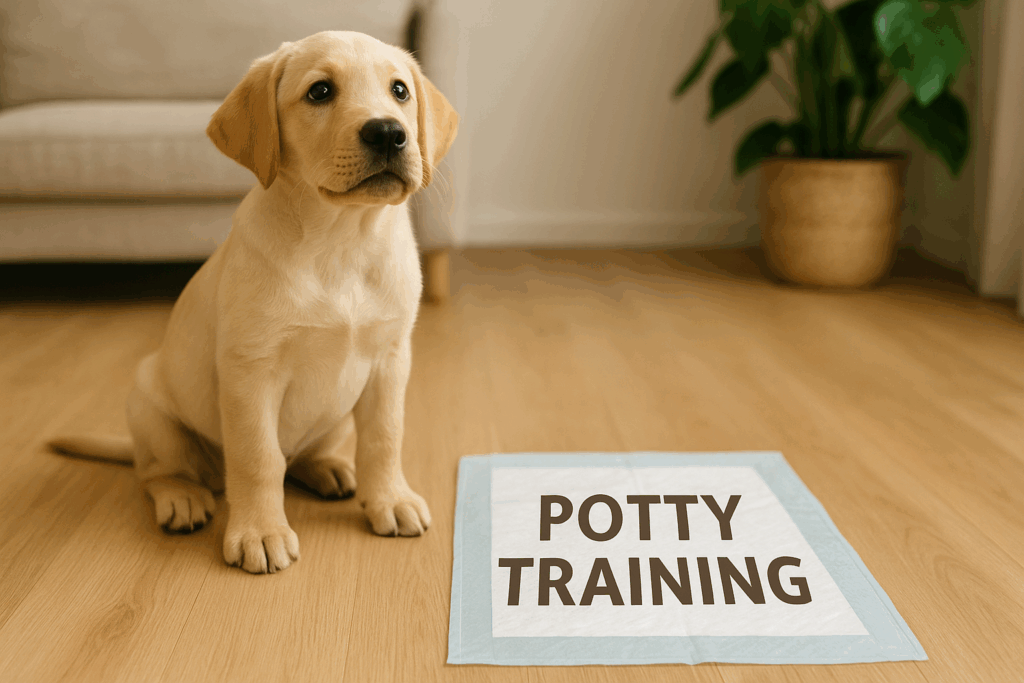
Ultimate Guide to Puppy Potty Training: Day and Night Success Tips
Potty training a puppy is one of the first big challenges for new pet parents. While adorable, puppies don’t automatically know where it’s acceptable to relieve themselves. Accidents will happen — but with the right training plan, consistency, and patience, your puppy can quickly learn to do their business in the right place.
This guide covers daytime and nighttime potty training, accident prevention, and proven strategies that will make the process smoother for both you and your furry friend.
Why Potty Training is Essential
Proper potty training is not just about keeping your home clean — it’s also about establishing boundaries, preventing health risks from unsanitary conditions, and building a positive bond with your puppy. Dogs thrive on routine, and this training helps create a clear daily schedule they can follow for years.
Daytime Potty Training Steps
1. Accept That Accidents Will Happen
Puppies don’t have full bladder control, especially in their first few months. Any indoor accident should be treated as a learning opportunity rather than a reason for punishment. Stay calm and redirect your puppy to the correct spot.
2. Take Your Puppy Outside Frequently
To minimize indoor accidents, schedule regular potty breaks. A good rule of thumb is to take your puppy out:
- Immediately after waking up
- After eating or drinking water
- After playtime or exercise
- Before bedtime
Frequent trips outside help reinforce the idea that outdoor pottying is the correct behavior.
3. Watch for Potty Signals
Every puppy has unique behaviors that indicate they need to go. Common signs include:
- Sniffing the floor
- Circling in one spot
- Walking towards the door
- Whining or barking softly
Recognizing these early signals allows you to guide your puppy outside before an accident occurs.
4. Use Positive Reinforcement
Reward your puppy immediately after they potty outside. You can:
- Offer a small treat
- Use verbal praise (“Good job!”)
- Give a gentle pat or short play session
Puppies respond well to positive reinforcement, and this builds a strong association between going outside and getting rewarded.
5. Avoid Distractions During Potty Breaks
When taking your puppy outside, make it clear that the trip is for pottying, not playtime. Avoid throwing toys, running around, or starting games until after they’ve finished.
6. Correct Accidents Calmly
If your puppy starts to potty indoors, interrupt with a firm “No” (in a neutral tone) and immediately take them outside. Do not yell or punish — this can cause fear and confusion. Clean the area thoroughly with an enzymatic cleaner to remove any lingering odor that may encourage repeat accidents.
Nighttime Potty Training Steps
Nighttime training is slightly different because puppies can’t hold their bladder as long when sleeping.
1. Follow the Age + 1 Rule
A puppy can typically hold their bladder for their age in months + 1 hour. For example:
- 3 months old → 4 hours max holding time
- 4 months old → 5 hours max holding time
Set an alarm to take your puppy out during the night based on this rule until they can last through the night without accidents.
2. Adjust Feeding Schedules
Feed your puppy 2–3 hours before bedtime to give them time to digest and eliminate waste before sleeping. This significantly reduces the risk of nighttime accidents.
3. Pre-Bedtime Potty Break
Always take your puppy outside to pee and poop right before bedtime. Make it part of the nightly routine so they understand the expectation.
4. Minimize Late-Night Play
Nighttime potty breaks should be calm and low-energy to avoid stimulating your puppy too much. Avoid play or long conversations — focus on getting them to potty and returning to bed.
Extra Tips for Faster Potty Training
- Crate Training: Use a properly sized crate to prevent accidents. Puppies naturally avoid soiling their sleeping area.
- Consistent Commands: Use short phrases like “Go potty” every time you take your puppy out so they associate the words with the action.
- Regular Cleaning: Use enzymatic cleaners instead of regular soap to remove odors completely.
- Stay Patient: Some puppies learn quickly, while others may take a few weeks. Consistency is key.
Common Mistakes to Avoid
- Punishing after the fact: Puppies won’t understand delayed punishment.
- Changing potty locations too often: Stick to one spot for consistency.
- Giving too much water right before bed: Offer water earlier and remove it about an hour before sleeping (unless weather is hot).
Conclusion
Potty training a puppy requires patience, consistency, and understanding of your pet’s needs. By following a structured routine, watching for signs, and rewarding positive behavior, your puppy will soon learn where and when to relieve themselves.
With the right approach, you can prevent most accidents, create a cleaner home, and strengthen the bond with your furry friend.
✅ Pro Tip: Even after your puppy is trained, continue to praise them occasionally for going outside. This reinforces good habits for life.