

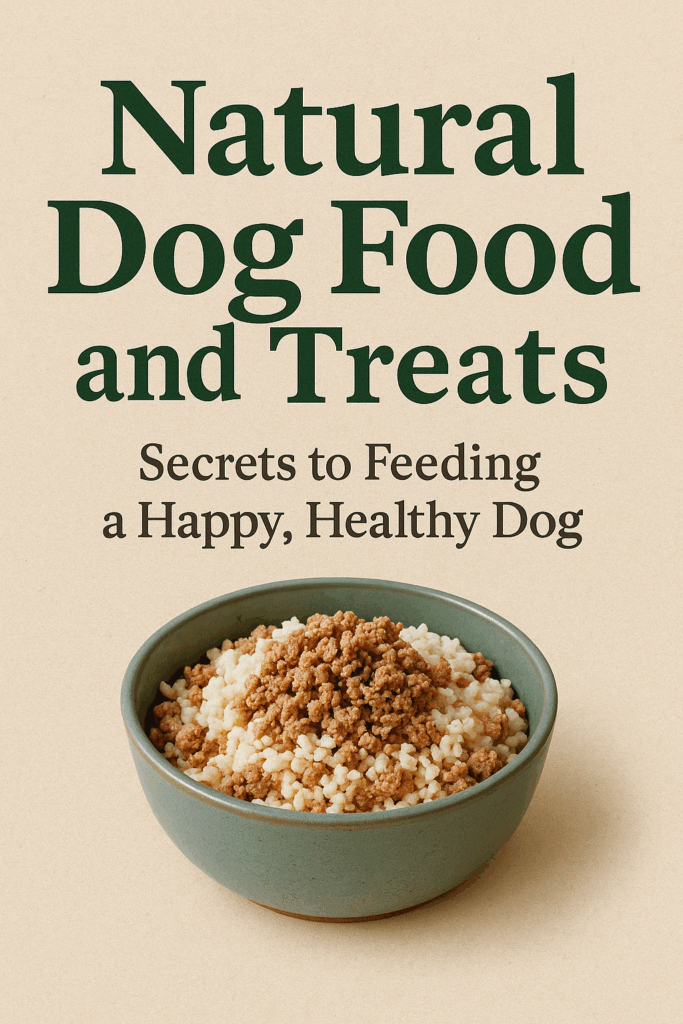
🐶 Choosing the Best Food for Your Dog Doesn’t Have to Be Complicated
Grain-free or not? Raw or kibble? Premium or vet-recommended?
If choosing dog food feels like decoding rocket science, you’re not alone. In this comprehensive guide, we’ll cut through the hype and give you real vet-backed advice to feed your dog right—without getting lost in marketing fluff.
📦 Types of Dog Food Explained
Let’s start with the basics: not all dog food is created equal. Here are the five main categories:
1. Dry Food (Kibble)
- Most popular and budget-friendly.
- Long shelf life, easy to store.
- Vet Tip: Add low-sodium broth or warm water to help hydrate dry meals.
2. Wet Food (Canned)
- Higher moisture content—great for picky eaters.
- Needs refrigeration once opened.
- Can increase dental plaque if used alone.
3. Raw Diet (BARF)
- Mimics wild dog diets.
- Claimed benefits: shinier coat, fewer allergies.
- Vet Warning: Raw meat can carry salmonella and E. coli. Always consult a vet.
4. Home-Cooked Meals
- Full control over ingredients.
- Risk of nutrient deficiencies unless supervised by a canine nutritionist.
5. Grain-Free or Boutique Diets
- Linked to canine heart disease (DCM) in some studies.
- Important: Grain-free ≠ carb-free. Often loaded with peas, potatoes, or lentils.
❌ Common Dog Food Myths — Busted!
❌ Myth #1: Grain-Free is Always Better
Truth: Most dogs digest grains like brown rice and oats just fine.
❌ Myth #2: Raw Diets Are Superior
Truth: Not suitable for all dogs; poses safety risks if improperly handled.
❌ Myth #3: Byproducts Are Always Bad
Truth: Liver, kidney, and heart are nutrient-rich organs—not garbage.
❌ Myth #4: Expensive Equals Better
Truth: Price doesn’t equal quality. Read labels, not logos.
❌ Myth #5: Dogs Should Eat Like Humans
Truth: Onions, garlic, and some seasonings can be toxic to dogs.
🔍 How to Read a Dog Food Label
Knowing what to look for can prevent costly mistakes.
✅ Look for:
- AAFCO Statement: Confirms nutritional adequacy.
- Named Proteins: Chicken, salmon, beef—not “animal meal”.
- Natural Preservatives: Mixed tocopherols (Vitamin E), not BHA or BHT.
❌ Avoid:
- Artificial coloring
- Chemical preservatives
- Ingredient lists you can’t pronounce
Quick Fact: The first five ingredients make up 80–90% of the formula.
🐕 Special Diets for Different Dogs
| Life Stage | Needs | Example |
|---|---|---|
| Puppy | High protein & DHA | Growth formulas |
| Adult | Balanced maintenance | Moderate protein & fat |
| Senior | Joint support, fewer calories | Look for glucosamine |
| Overweight | Lower fat, higher fiber | Weight-control diets |
| Allergies | Limited ingredients | Novel proteins like duck or salmon |
| Chronic Illness | Prescription-only | Vet-supervised therapeutic diets |
🏆 Vet’s 5 Golden Rules for Feeding Dogs
- Tailor meals to your dog’s age, breed, and energy level.
- Stick to scheduled meals, not free-feeding.
- Monitor body weight rather than scoops.
- Transition slowly when changing foods.
- Consult your vet before choosing raw, homemade, or grain-free options.
🧠 Expert Tip:
“Feeding your dog is not about following trends. It’s about science, observation, and balance.”
— Dr. Emily J., DVM
🛒 Recommended Reads & Links:
🔗 Internal Links:
🌐 External Links:
🎯 Final Thoughts
Feeding your dog right isn’t about the fanciest label. It’s about understanding your dog’s needs and choosing the food that supports their health, energy, and longevity. Use this guide as a foundation—and consult your vet for personalized advice.